
Penalties may be in the offing for home builders who aren’t doing enough to lower housing costs.
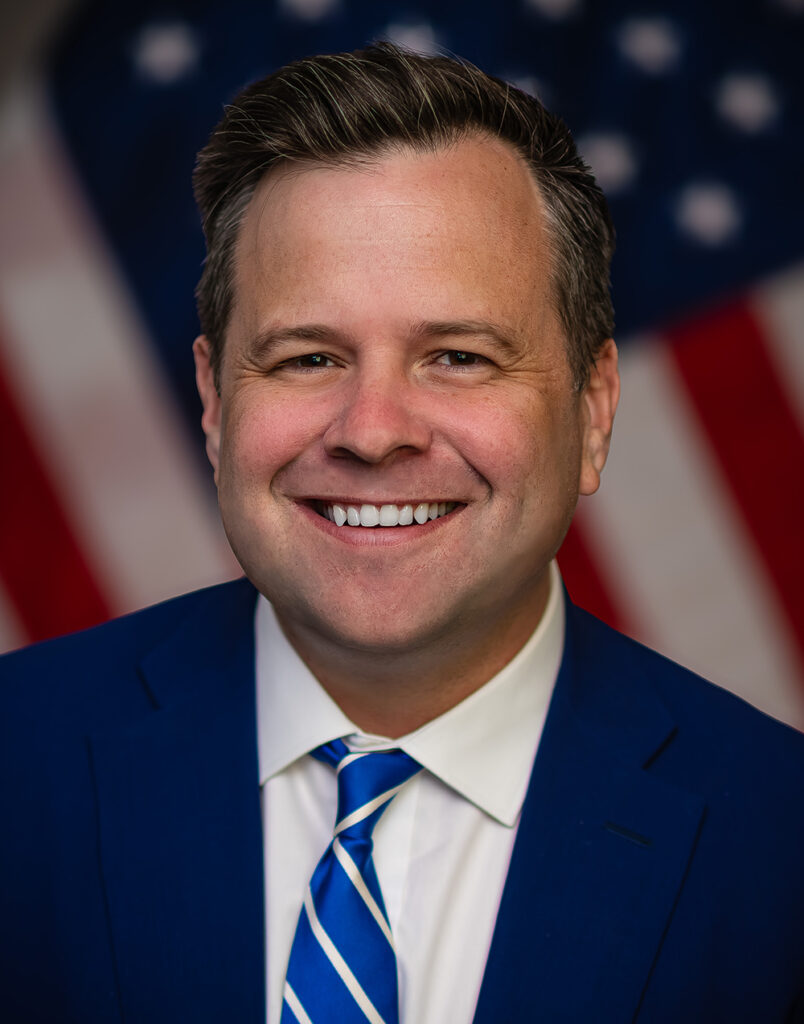
So discloses William Pulte, director of the Federal Housing Finance Agency, in an interview with the Wall Street Journal.
Pulte said that the Trump administration may specifically target home builders on the hot issue of buybacks, contending, “They’re making, in some cases, more money than they’ve ever made, and they’re buying back stock like never before.”
Continued Pulte: “It’s something that we’re studying, how much money they’re spending on buybacks.”
Pulte also took issues with both the Federal National Mortgage Association and the Federal Home Loan Mortgage Corporation for funding such buybacks “at the expense of Americans who need to get in homes.”
Pulte’s comments, notes the site Mortgage Point, represents the Trump administration’s “latest dart thrown for housing affordability and it follows a similar push by the administration against buybacks in the defense sector.”
Reports indicate that Trump is on the verge of introducing plans to increase the affordable housing stock, while also banning large institutional investors from buying more single-family homes.
The exact impact of buybacks on housing affordability is a matter of question among economists and housing experts. But, according to the publication The Real Deal, “there’s no doubt that the top public homebuilders delved into the repurchasing market in big ways last year.”
In 2025 the country’s largest homebuilder, D.R. Horton, spent a reported $4.3 billion on buybacks, followed by the Lennar Corporation, which put out $1.7 billion for the same purpose.
Offering a decidedly different point of view, the publication Builder’s Daily, says buybacks are simply risk-management transactions.
“Buybacks reduce share count,” says the publication. “They support earnings per share during periods of margin compression. They stabilize equity volatility at a time when stock price swings directly influence the cost of capital.”
January 16, 2026
By Garry Boulard
Photo courtesy of US Federal Housing Agency