
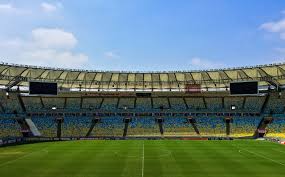
Stadium construction in the National Football League remains vibrant heading into the new year, says a new report, equal to just over $10 billion in investment.
According to the publication Insurance Business, there are currently seven big stadium projects either in the planning stage or already underway across the country, representing a thriving segment for the building industry.
The projects are of a diverse variety, with “universities and mixed-use sports districts adding further momentum.”
Once pretty much bowl-shaped construction filled with rows and rows of seats, with space left for a press box, concessions, and, of course, a standard field, today’s stadiums have become complex “smart cities” that include such features as 5G technology, Artificial Intelligence-enabled systems, and the highest-tech heating and cooling systems.
No surprise, according to Tom Strong, a senior vice president with the national insurance broker NFP, such structures include “hundreds of miles of low-voltage wiring and a massive number of interconnected systems.”
Among the current notable projects: the $3.2 billion Chicago Bears Stadium, with a seating capacity of 65,000, which is expected to be completed in the fall of 2028; and the new Nissan Stadium in Nashville for the Tennessee Titans, which has a $2.2 billion price tag and is slated to be opened in the fall of 2027.
A little further out, the new DC Stadium for the Washington Commanders will have a seating capacity of 65,000 and is scheduled for a fall 2030 opening at a cost of $3.7 billion.
Planning is also underway for the new home of the Denver Broncos, set to go up in the city’s Burnham Yard with a 2031 completion date. The stadium is expected to have a capacity of around 76,000 seats, with estimates saying it is likely to cost more than $4 billion. Meanwhile, a large renovation project is seeing the upgrading of the EverBank Stadium in Jacksonville, Florida, home of the Jacksonville Jaguars. Increasing the structure’s seating capacity to 70,000, the $1.4 billion project is set to be completed by the late summer of 2028.
December 22, 2025
By Garry Boulard
Photo courtesy of Pixabay