
Building material prices saw a 3.5% increase between 2024 and 2025, the largest such increase in nearly three years, according to a new survey just released by the National Association of Home Builders.
The industry group, using Producer Price Index data provided by the Bureau of Labor Statistics, notes that overall price increases for residential construction inputs have been above the 3% mark since early last summer.
“The price index for inputs for new residential construction rose 0.1% in November, and was up 4.2% from last year,” the NAHB notes in a press release.
The price of new residential construction goods, at the same time, was up 0.4% from October to November, and a significant 3.4% between 2024 and 2025. More particularly, the cost of metal products has also seen a generally steady increase.
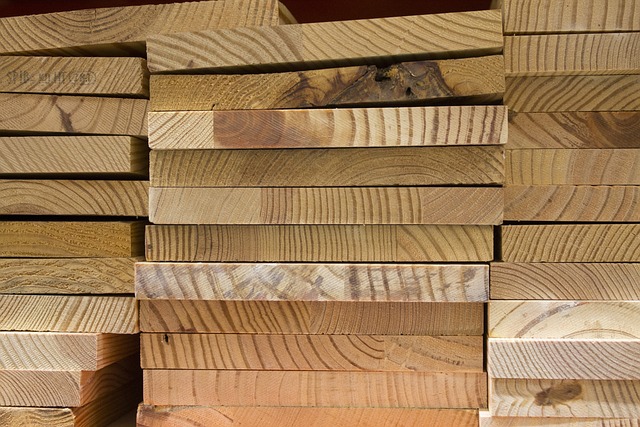
Softwood lumber represented one of the few materials to see a price decline, a pleasing trend line given the duties of 45% on softwood lumber imports from Canada.
In a separate NAHB report it is noted that “waning housing production over the course of 2025 created an environment where lumber supply was continually above demand, especially for the second half of the year.”
Referencing a report compiled by the Home Innovation Research Labs, the NAHB survey notes that the average new single-family home is comprised of more than 2,200 square feet of softwood plywood, along with 15,000 square feet of framing lumber.
Softwood lumber is additionally used in everything from doors and trusses to windows and cabinets.
The outlook for lumber production in general, as well as its pricing, is seen as being essentially uncertain for the duration of 2026.
According to numbers produced by the Federal Reserve, the price of softwood lumber has been generally decreasing since the spring of 2022, after a historic increase during the Covid-19 years of 2020 and 2021 when the price accelerated by an unprecedented 300%.
January 20, 2026
By Garry Boulard
Photo courtesy of Pixabay