
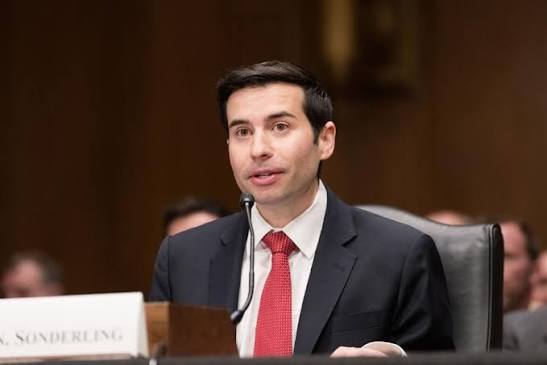
Four months after he was first nominated for the post, Keith Sonderling has now been confirmed as the nation’s new Secretary of Labor.
The final Senate vote played out along party lines, with 47 Republicans backing Sonderling for the post and 41 Democrats opposed.
The 43-year-old Sonderling, who has served as the acting Labor Secretary since March of 2025, takes the helm of the agency in the wake of a recent upheaval. The previous secretary, Lori Chavez-DeRemer, resigned the post in April of this year after various reports indicated spending account and staff harassment issues in her office.
A subsequent Office of Inspector General report asserted that Chavez-DeRemer presided over a “toxic, intimidating, and humiliating” workplace, with also engaging in what was described as an “inappropriately close and unprofessional relationship” with a member of her security detail.
The OIG report, however, was unable to determine if Chavez-DeRemer’s actions constituted “unlawful discrimination, retaliation or a hostile work environment” under federal law.
Sonderling, who has previously served on the Equal Employment Opportunity Commission, has won business and industry support. Those groups, notes the news service Reuters, particularly have liked his emphasis on “crafting regulations favored by trade groups, such as a proposal to make it easier to treat workers as independent contractors rather than employees.”
In an article titled “Just How Bad Will Trump’s New Labor Secretary Be?” the New Republic magazine noted that for many Democrats Sonderling’s rise to the leadership of the agency makes it “one step closer to advancing the Trump-era Labor Department’s anti-worker agenda.”
Neil Bradley, however, chief policy officer at the U.S. Chamber of Commerce, lauded the nomination of Sonderling, remarking that he will “ensure the Department of Labor continues to uphold its mission while fostering economic growth and job creation.”
In his confirmation hearings, Sonderling said he saw his job as one of ensuring “America’s workforce has the skills” to respond to new employment opportunities, “while protecting the safety, wages, and retirement benefits of every worker.”
October 2, 2026
By Garry Boulard
Photo courtesy of Senate Committee on Health Education Labor and Pensions