
The average American worker has enjoyed a wage increase in the last century from less than $6,000 to around $64,000 today, while the average time put in on the job has dropped from around 45 hours to around 34 hours a week.
There are two of the findings revealed in new Wall Street Journal article looking at how work in general has shifted since U.S. was founded as a nation.
The 40-hour work week, which in 2025 is no longer a national standard, was the result of the 1938 Fair Labor Standards Act. But, says the publication, “in recent years, millions of unionized 9-to5 jobs disappeared.” In its place, “most full time employees are working longer weeks, and some companies are experimenting with a four-day work week.”
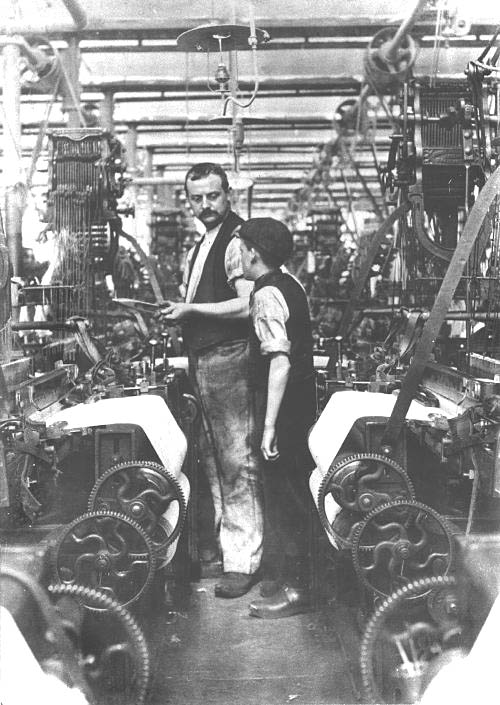
The nature of work, too, has undergone a significant change, from a factory manufacturing job site providing employment to around 20 million workers well into the 1970s, to a largely office or retail environment today.
And even that has changed: “Back in the day, office workers wouldn’t have shown up without formal clothing,” says the paper. Think of those men in suits and ties and women in high heels and dresses as portrayed in the early 1960s-centered television series Mad Men.
“Today,” says WSJ, “comfort reigns.” What was slated as “casual Friday” twenty years ago, with staffers showing up in jeans, slacks, and golf shirts for the one special day a week, is now a look that is “common every day at many companies.”
But perhaps the biggest change in the U.S. workplace has been due to technology. The introduction of the internet did indeed change the way Americans work, but in ways different than originally imagined. “The surprises weren’t just chief executive officers in hoodies and legions of coders,” says the publication. “They were barbers with booking links, nurses on telehealth, and delivery jobs by the hundreds of thousands.”
Now, artificial intelligence is changing the workplace even more. But it’s a change that is so far uneven. “As with tech waves past, startups full of keen young people have an opportunity to disrupt incumbents who may be slower to change,” remarks the WSJ, adding, “Within companies, people who could get the most out of AI might need the most encouragement, education, and guidance to get there.”
The WSJ survey comes as the Department of Labor has announced a program officially celebrating the country’s 250th anniversary called “America 250: Celebrating the American Worker.”
December 1, 2025
By Garry Boulard
Photo of Factory Workers 19th Century, courtesy the National Archives